Lakeside Septic Sales: Why a Pump-Out Is Not a Certification
October 1, 2026
October 1, 2026
A Lakeside seller who had the tank pumped last spring often assumes the septic question is settled. Then escrow calls for a certification, and San Diego County's Department of Environmental Health and Quality comes back with something the pump-out never touched: an operating permit that lapsed years before the current owner ever bought the place. Dr. Septic San Diego's 2026 guide to San Diego County septic-system rules notes this happens often enough to call out specifically, because the seller's disclosure paperwork does not reliably catch it and most people on these systems have never read the underlying rules that govern them.
That gap, between what a pump-out proves and what a sale requires, is the thing worth understanding before you list or write an offer on acreage in Lakeside.
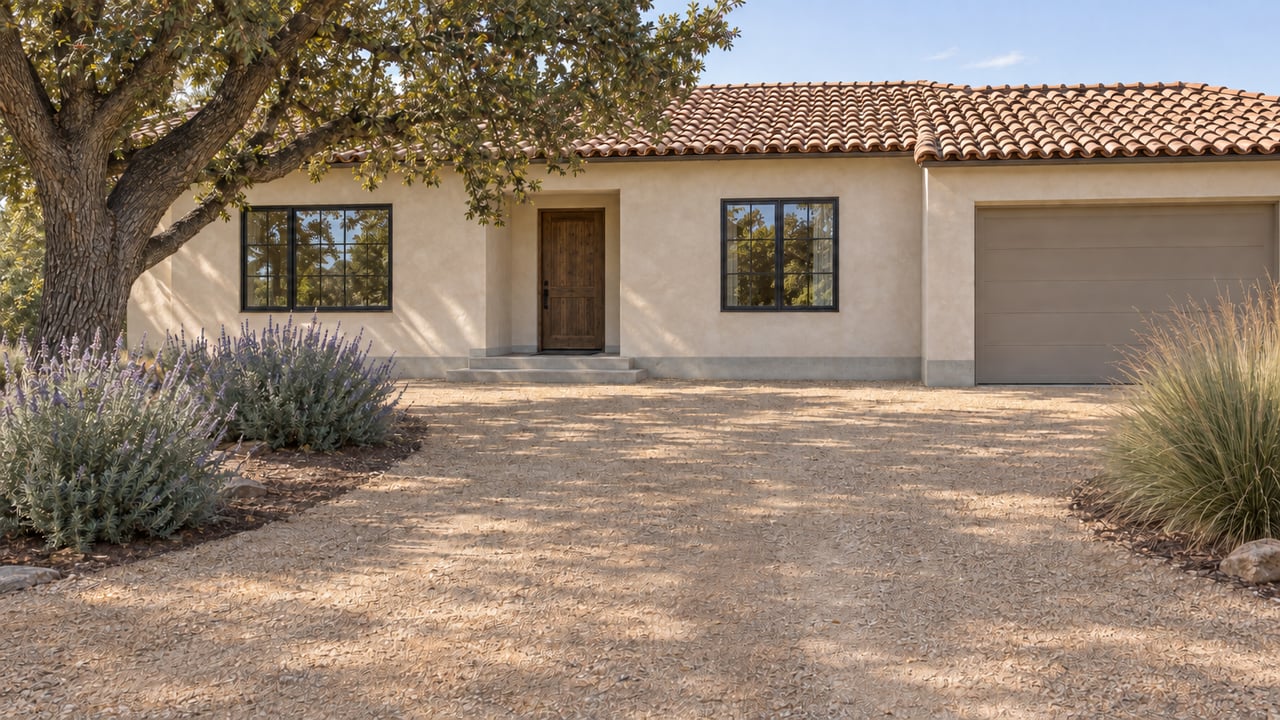
Lakeside earned its old nickname, Cowboy Town, honestly. The Lakeside Rodeo Grounds still carries on that heritage each spring, and the town's housing stock reflects a split that goes back decades. Small-lot postwar homes cluster around Lindo Lake, the county's only natural lake, and the Winter Gardens flats nearby, most of them tied into municipal water and sewer like any suburban tract. Head east into Eucalyptus Hills, named for the century-old windrow trees that still shade its lanes, or further into the eastern canyons, and the parcels open up to one acre, several acres, sometimes barns and arenas built for horses. Those larger eastern properties are where well and septic systems are common, because municipal service never reached that far out.
This is not a cosmetic difference. A home on a public sewer line has one set of closing mechanics. A home on a private septic system has an entirely different one, governed by the county rather than a city utility, and that difference shows up hardest at the moment of sale.
Pumping is maintenance. A real estate septic certification is a different, more thorough process, and lenders and title companies increasingly want it dated to the current escrow period rather than accepted from months or years earlier. San Diego County treats a transfer of property as one of the specific events that can trigger a required inspection.
According to Solid State Septic's 2026 guide to septic certification in San Diego County, a certification under the county's Local Agency Management Program typically covers:
Any one of those steps can turn up something a routine pump-out would never surface, because a pump-out only empties the tank. It doesn't load-test the field, and it doesn't check the county's files.
The county requires an annual operating permit on these systems along with six years of documented pumping records showing dates, contractor, volume, and disposal site. What the county does not do is proactively track whether every homeowner's permit is still active. Inspections get triggered by specific events, a sale being one of them, rather than by routine audits.
That combination is exactly why lapsed permits are common. A permit issued a decade or more ago can quietly expire while a home changes hands two or three times, and none of those disclosure statements necessarily flag it, because the sellers along the way may not have known either. The problem only surfaces when a current sale forces someone to actually check, and by then it can hold up the county from issuing anything else tied to the property, including permits for an ADU or a real estate certification itself.
If you're planning to sell an acreage parcel in Eucalyptus Hills or the eastern canyons, checking your permit status before you list is a cheap way to avoid finding this out during a contingency period.
A septic inspection in California typically runs $300 to $900 depending on property size and whether pumping is included. That is a small number compared to what happens if the system fails the test. Full leach field replacement can run $10,000 to $30,000 or more once soil conditions, site access, and county permit requirements are factored in, and root intrusion, a frequent cause of failure on older rural properties in inland San Diego County, adds another $500 to $1,500 just for removal before any repair begins.
The California Association of REALTORS®' current standard-forms list includes a Septic Inspection, Well Inspection, Property Monument and Allocation of Cost Addendum. According to Lanik Septic's Southern California septic regulations guide, the seller typically pays for the inspection itself, though that's negotiable. What isn't negotiable is financing: KDS Homebuyers' 2026 guide to California septic sales says most lenders will not finance homes with failed systems, which narrows a seller's buyer pool to cash offers if the problem doesn't get fixed before closing.
Sellers who schedule the certification before listing, rather than waiting for a buyer's inspection contingency to surface it, keep control of the timeline and the repair decisions instead of negotiating them under pressure.
Investors looking at vacant acreage in Lakeside run into a version of this same blind spot before a house even exists. Listings for raw land out toward the eastern canyons routinely note that the parcel is an area of well and septic, with power close by but not yet run to the site. That phrasing can read like a footnote. It isn't. Building a custom home in Lakeside typically carries $25,000 to $40,000 in permit and impact fees depending on size and location, and site costs, including drilling a well, installing water storage and pressure tanks, and putting in a septic system, generally run another $50,000 to $125,000 before the first stud goes up. A lot priced against a comparable improved home elsewhere in East County can look like a bargain until those numbers get added back in.
The well-and-septic distinction also explains why manufactured homes in Winter Gardens need separate comparable treatment from site-built homes out in Eucalyptus Hills. They sit in different parts of Lakeside's housing stock, tied to different utility infrastructure and often different financing paths, and pricing one against the other without accounting for that split misses the mechanism driving the difference in the first place.
Does every home in Lakeside need a septic certification to sell? Only homes on private septic systems, which in Lakeside means primarily properties in Eucalyptus Hills and the eastern canyons rather than the municipally served lots around Lindo Lake and Winter Gardens. San Diego County treats a sale as a trigger event.
How recent does the inspection need to be? Buyers, lenders, and title companies generally want it dated to the current escrow period, not pulled from a prior sale or a routine service visit months earlier.
What if I don't have my pumping records? The county requires six years of documented records, and missing them tends to make buyers assume the worst about a system's condition. If your service provider is licensed, you can usually request duplicate receipts directly from them rather than starting from scratch.
If you're weighing a sale on acreage in Lakeside, or comparing raw land against an already-improved lot, it helps to walk through the septic and well specifics before you're locked into a contingency clock. Reach out to Zac Thayer and let's connect.
This article is general information, not legal, tax or financial advice. Consult a qualified professional about your situation.
Experience personalized service, local expertise, and dedicated advocacy from consultation to closing. Zac Thayer is committed to helping you make confident real estate decisions every step of the way.

ZAC THAYER
Zac Thayer | CA DRE# 01992053
Eddington, Inc. | CA DRE# 02020845
278 Town Center Pkwy Ste 204 Santee, CA 92071